Product description
About the species
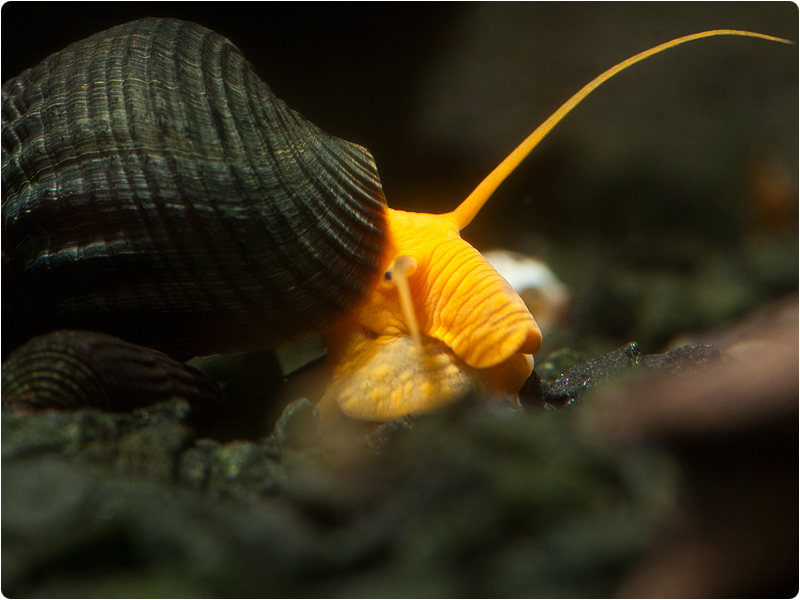
This extremely rare nerite conch is one of (if not THE) most beautiful and rarest conch in the world, and it's also relatively long-lived! The Red Racer Conch (Vittina waigiensis) is an extremely beautiful freshwater species of nerite conch that is native to the Philippines.
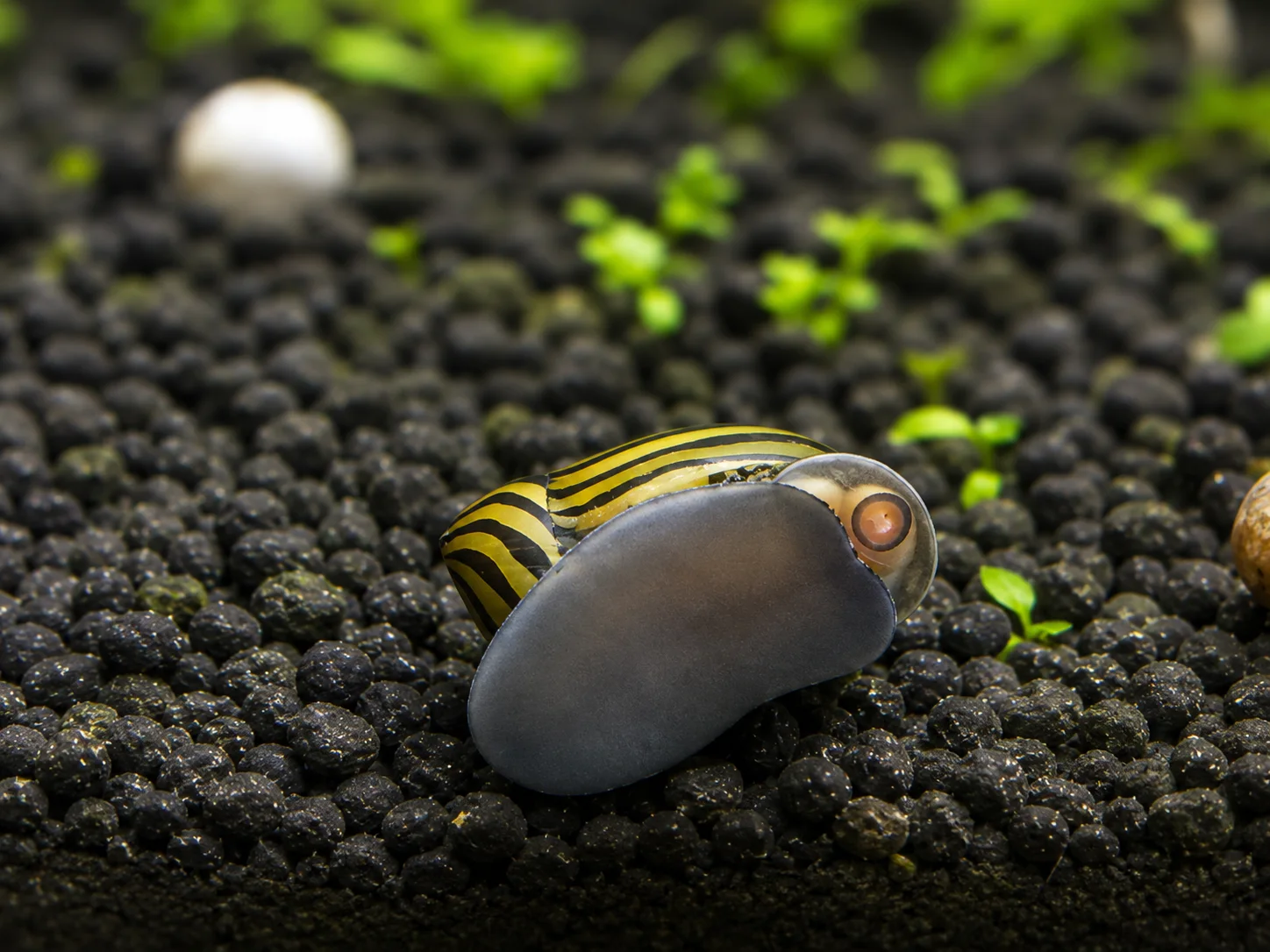
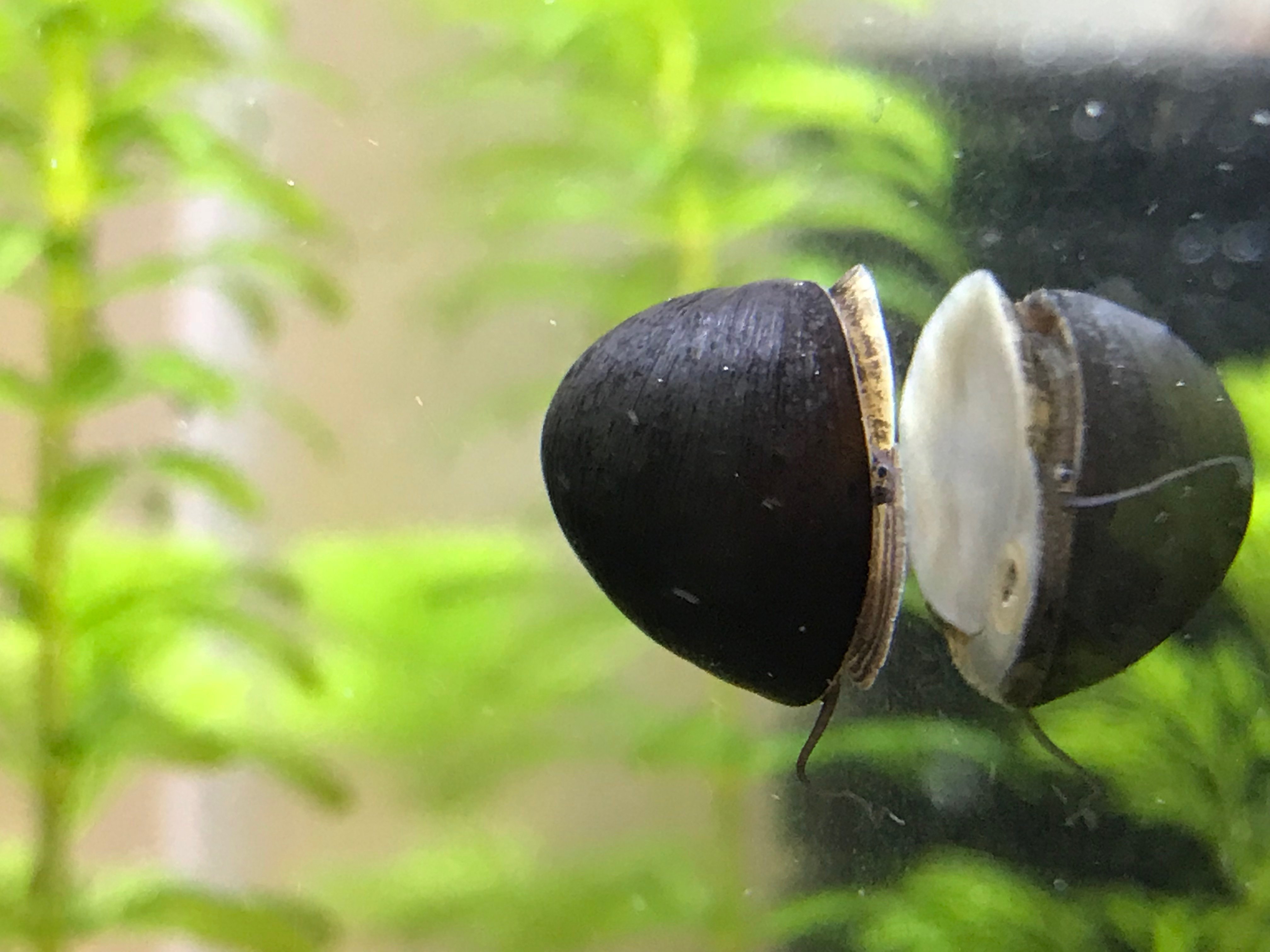
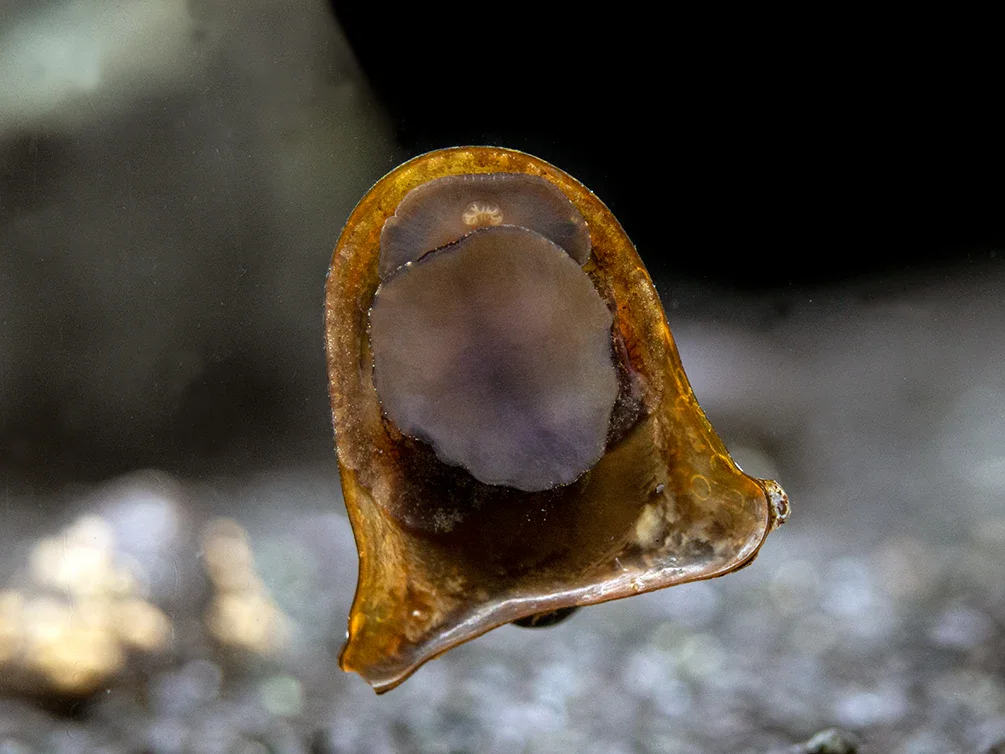
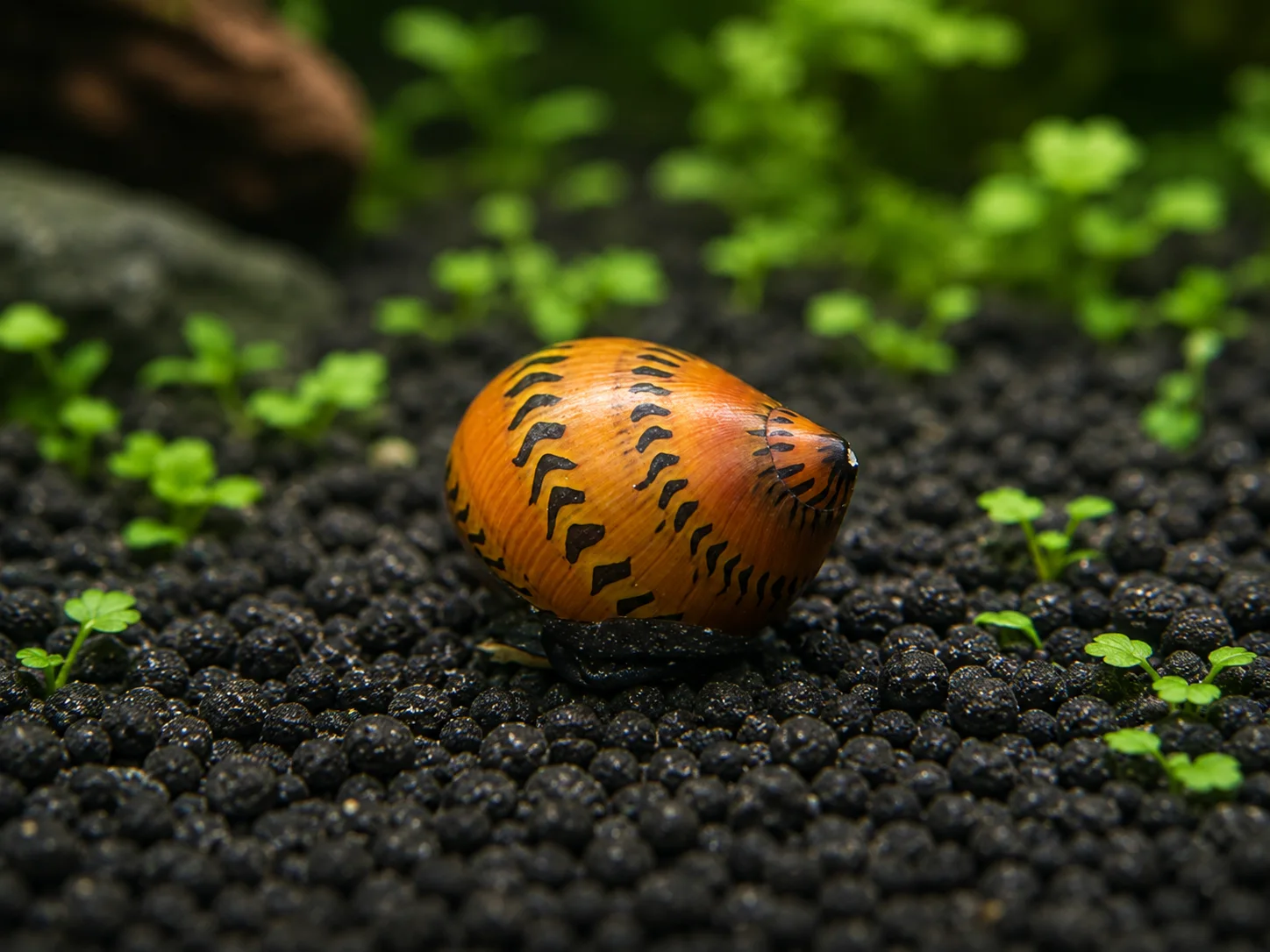
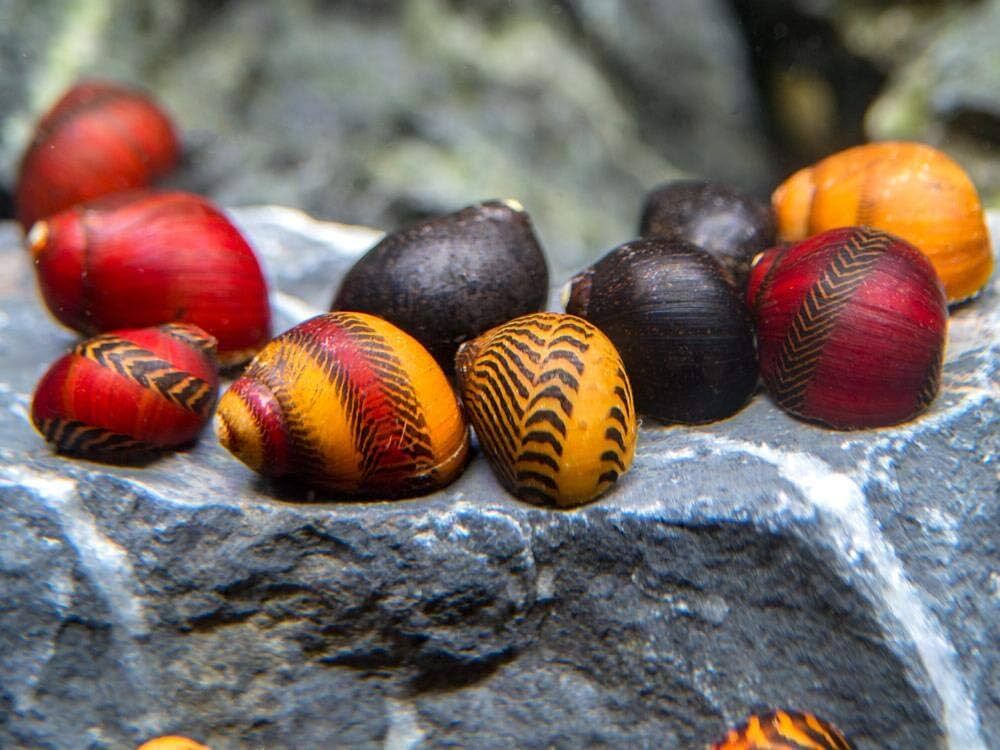
It belongs to the rarest snail species in the aquarium world, so it is very rarely available. The Red Racer shell has a highly variable shell appearance, but its many possible patterns are all among the most attractive of all freshwater or saltwater ornamental shells.
The shell patterns are extremely variable, so not all patterns are photographed as it would be almost impossible to do so. Note that the color of the shells will look very different when they are out of the water when they come to you compared to how they will look when placed in the water under good aquarium lighting.
The light really brings out more colors on the shells when they are underwater. These snails can live for over 4 years, so they are relatively long-lived compared to their relatives.
They require brackish or brackish water for their fry to survive, so they will not breed in a freshwater aquarium, and they are not known to have been bred commercially. Most of the nerite shells we offer have very similar care requirements and characteristics, and the Red Racer shell is no exception.
It lives in fresh water and brackish water and cannot breed in fresh water. This snail is a very efficient algae eater and thrives in a mature aquarium with plenty of algae and biofilm.
Some nerite snails can be picky about eating dry food at first, but most accept it over time, especially if the food contains a lot of spirulina or other plant material. Fresh vegetables are usually accepted as well.
Nerit snails are hardy in a mature, stable and well-maintained aquarium, but they are not as hardy as some other snail species in less suitable environments.
It is important to remember that scavengers such as snails do not consume as much oxygen as most fish, but they still contribute to the bio load in the aquarium and should not be overloaded long term.
It should also be noted that while this snail can live in a variety of pH levels, it will live much longer in alkaline water with a pH above 7.0. If kept in acidic water, it is more likely to experience scale erosion.
Calcium supplementation (especially when using reverse osmosis water) is highly recommended to preserve the quality of this snail's magnificent shell.
What we like about this snail: Completely peaceful Shell patterns are extremely varied Many different attractive colors and patterns Safe with all plants Excellent cleaner and algae eater Does not reproduce in fresh water