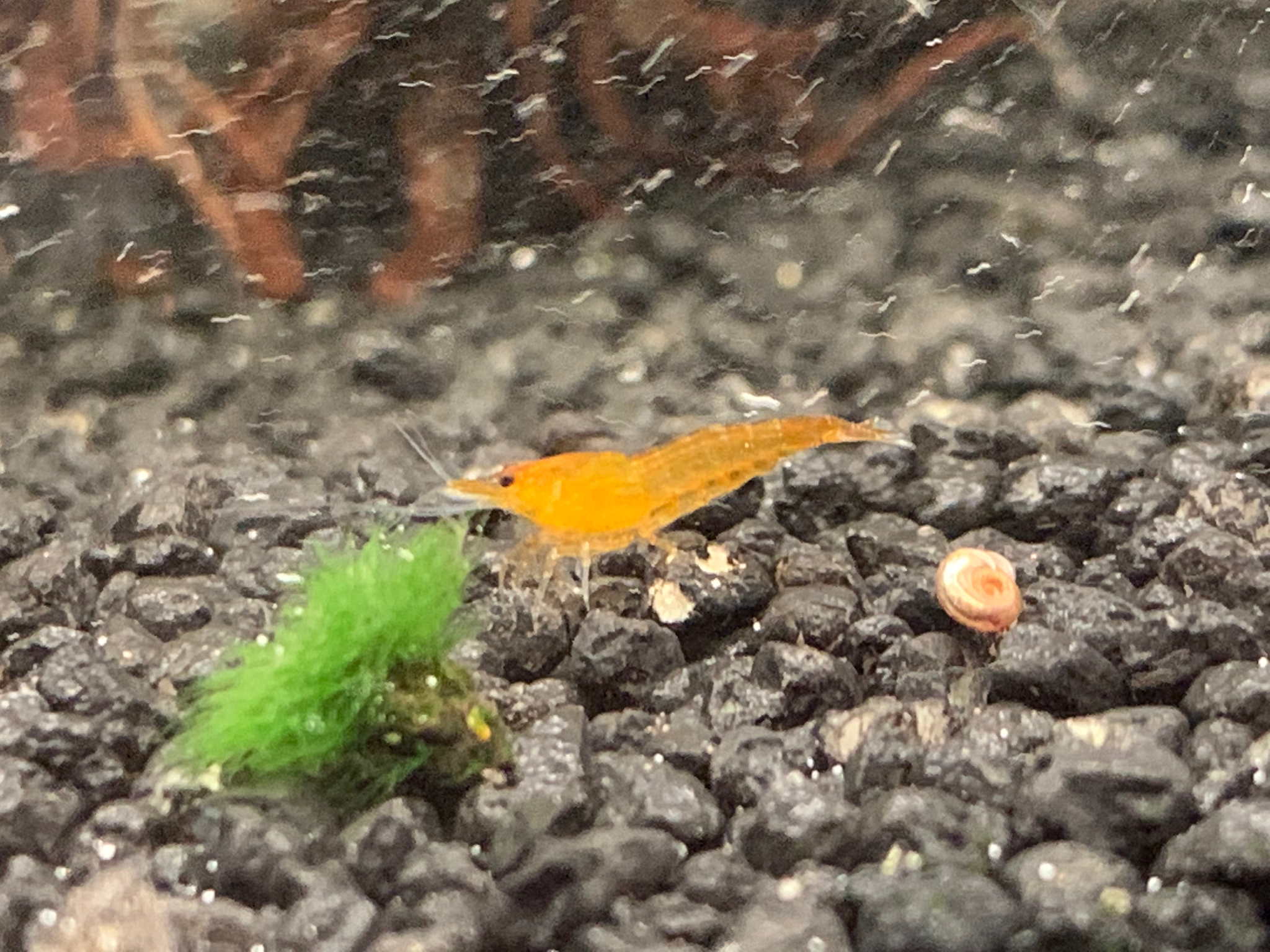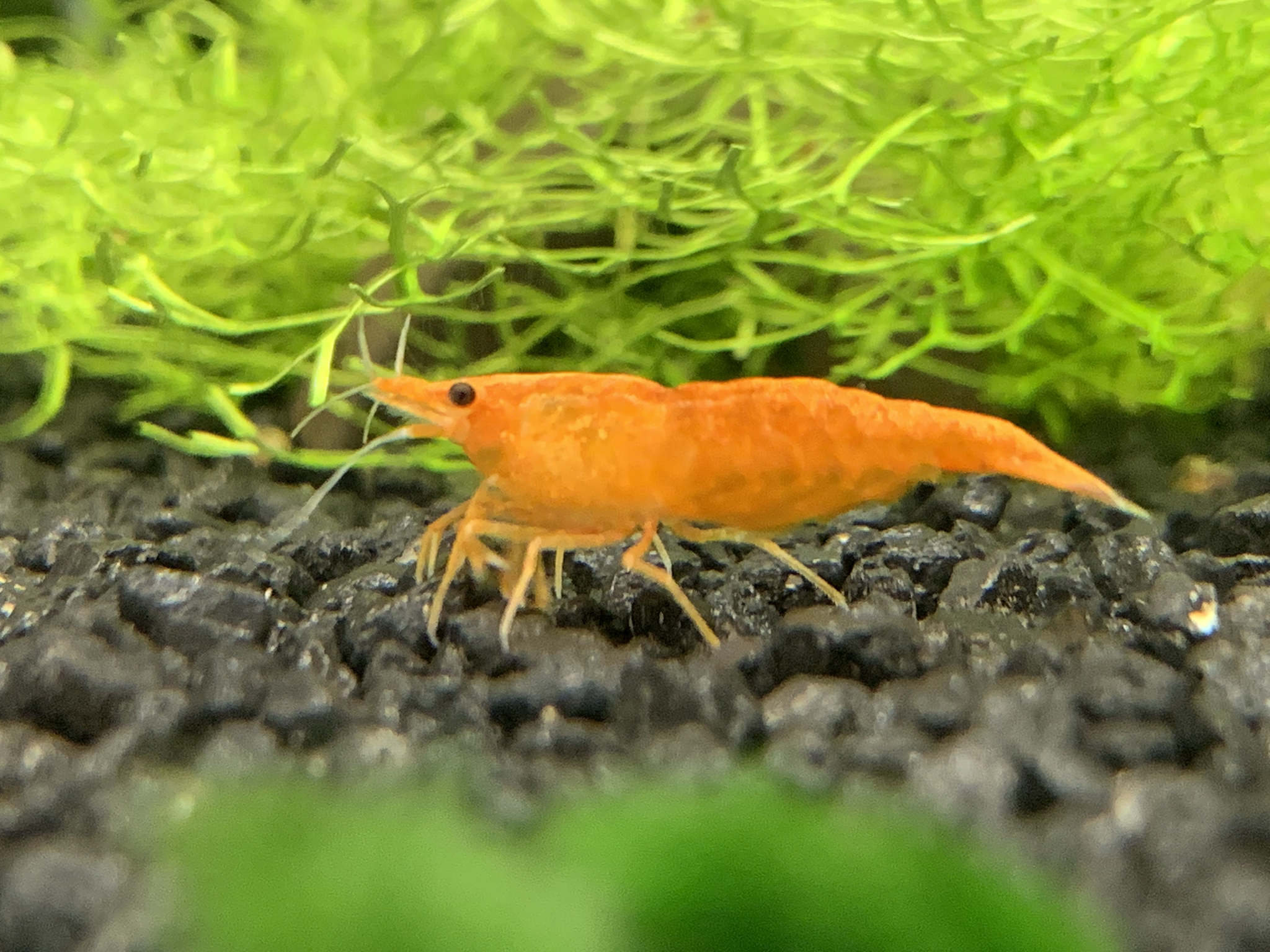
Product description
Difficulty level:Simple
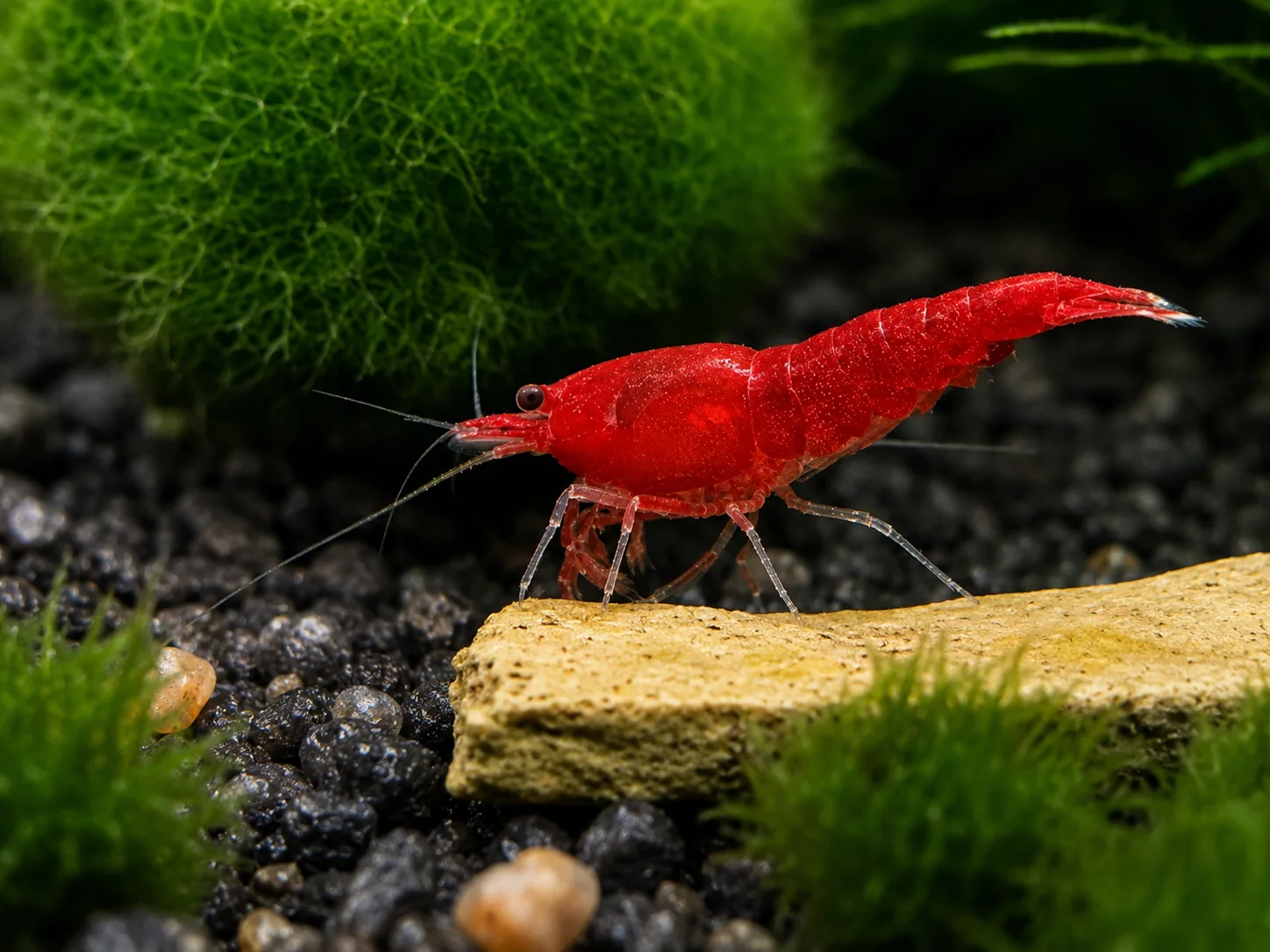
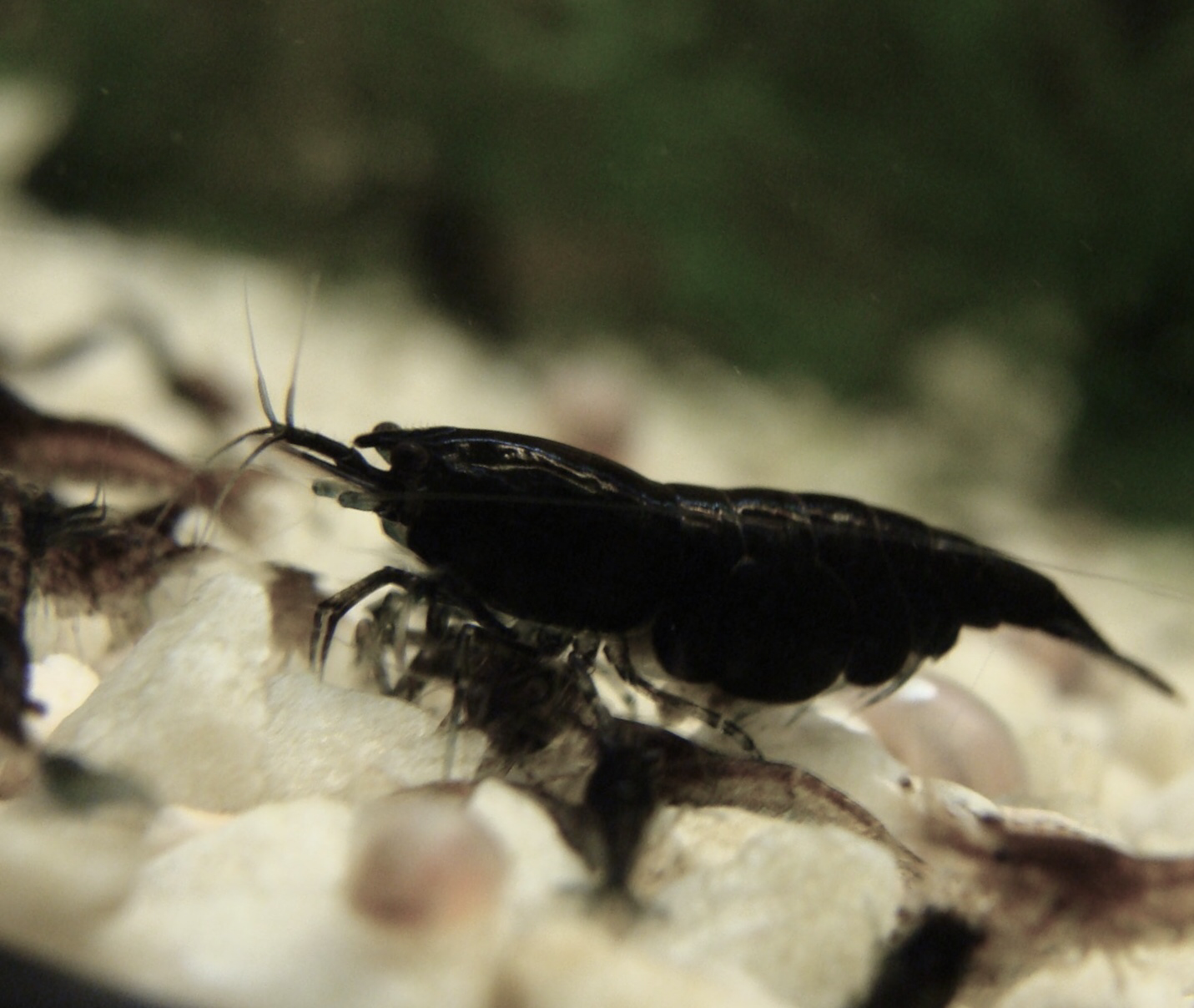
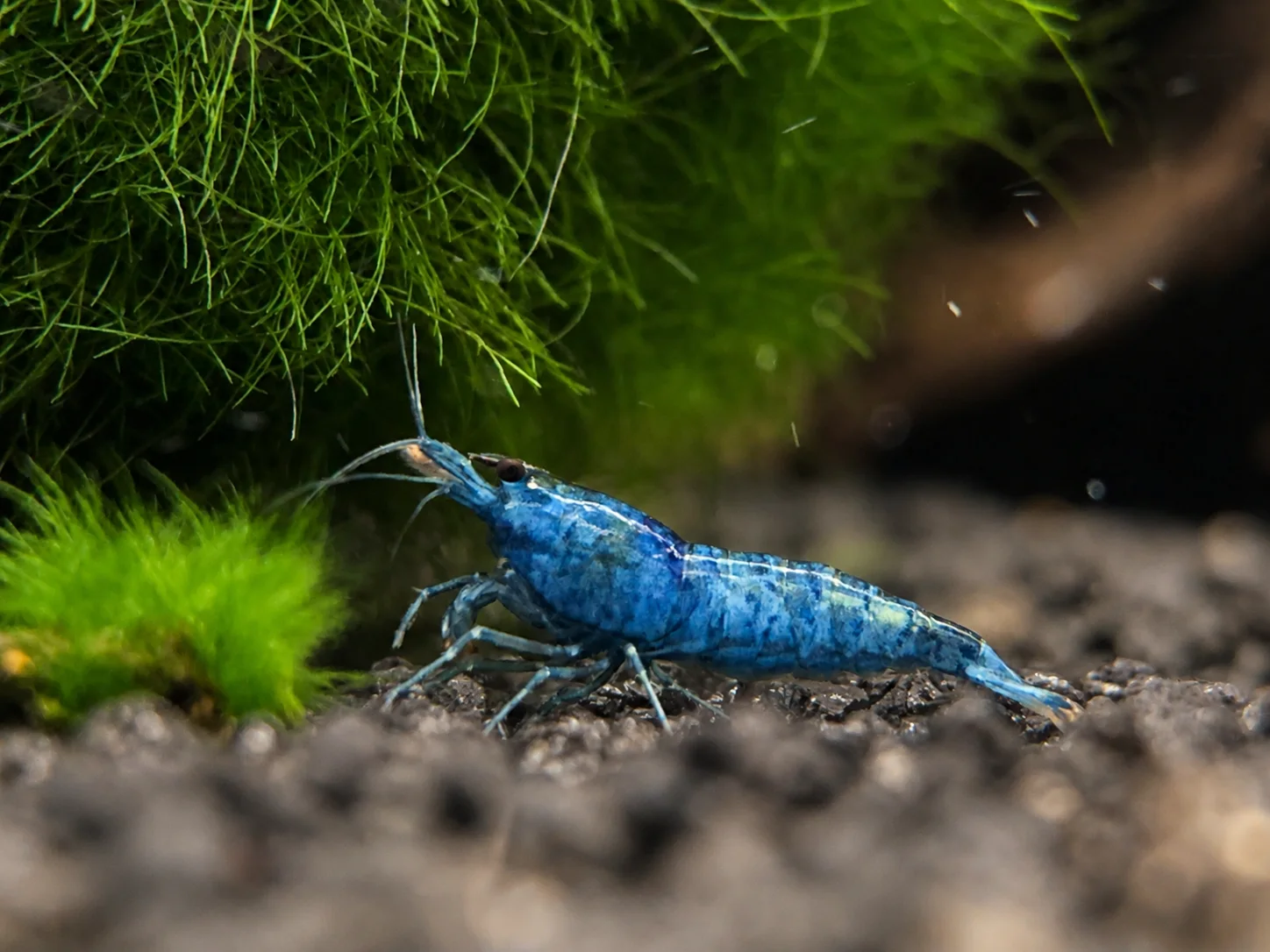
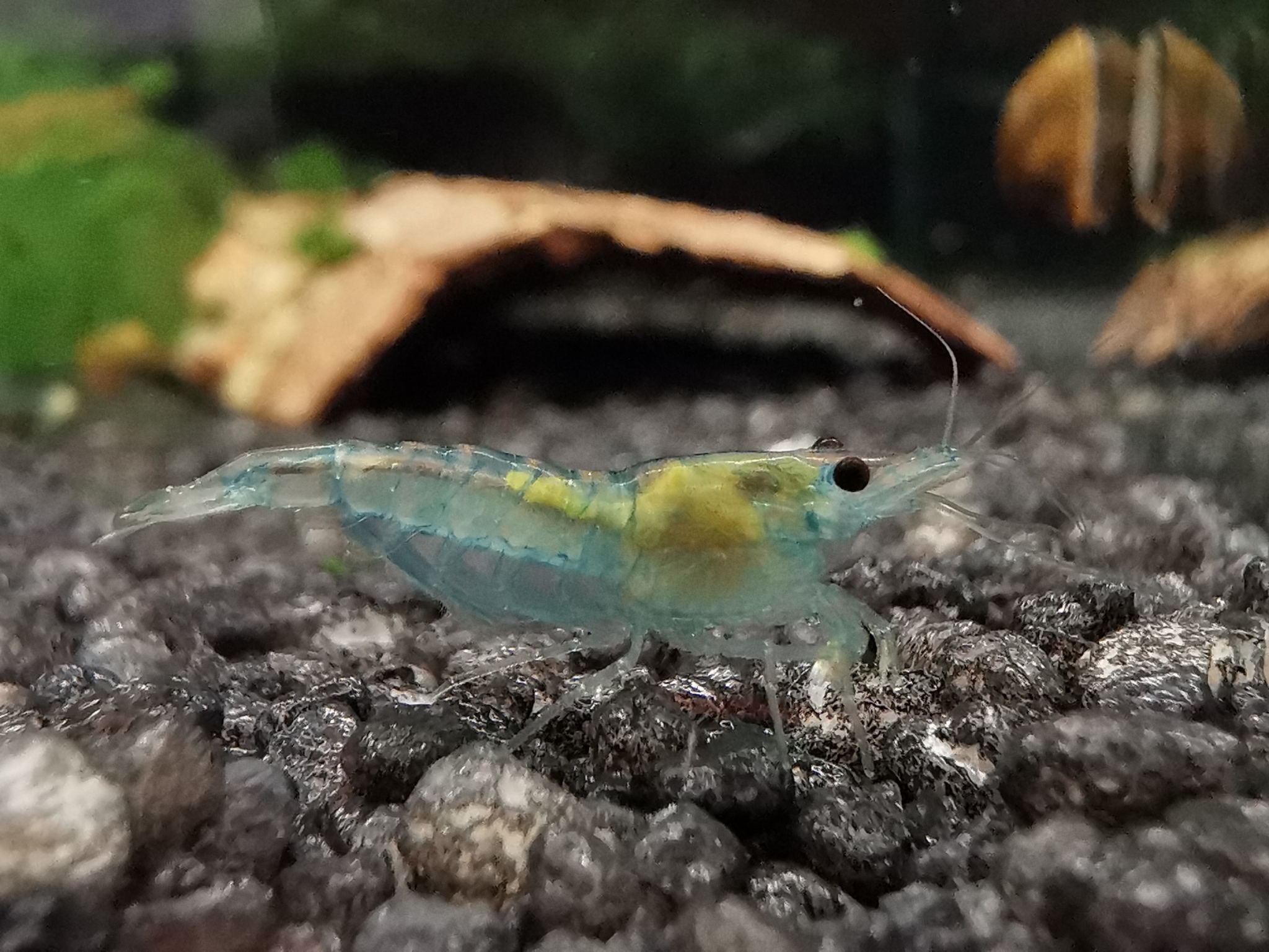
In the Neocaridina genus there are two interesting species for us aquarists: Neocaridina davidi and Neocaridina palmata (White Pearl).
Neocaridina is perfect as a beginner shrimp. It has several different patterns and colors. It is a robust and productive genus of dwarf shrimp. We are often asked if you can mix the colors, and yes you can if you want to have it very colorful in your aquarium but you should keep in mind that the shrimp will eventually lose their beautiful color and return to their natural color which is camouflaged to survive in the wild.
Neocaridina are very peaceful among themselves. They thrive together and should live in groups of at least 10. You can have shells and small peaceful fish as company for the prawns.
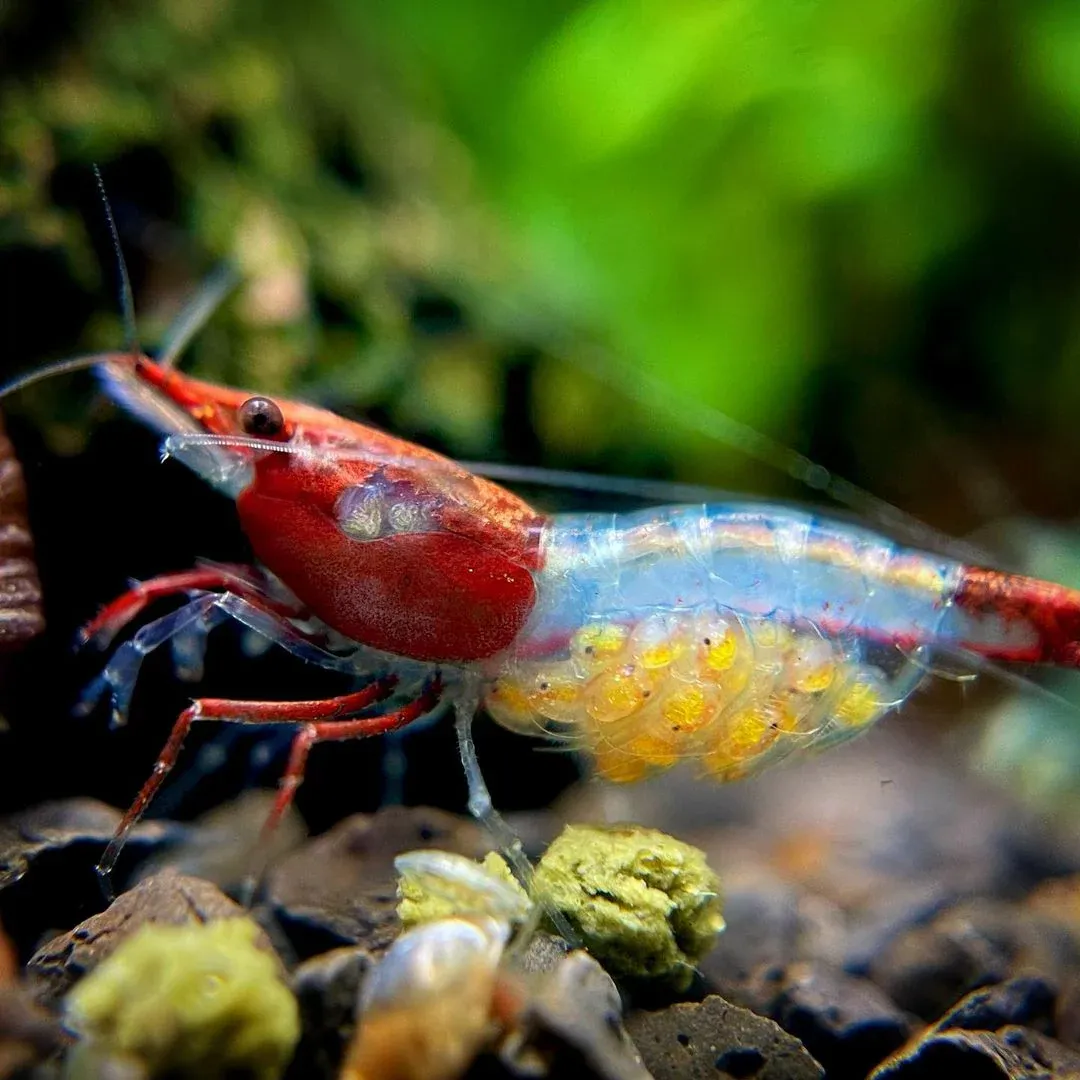
The species is easy to grow and you will probably experience small sea urchins from time to time. A female carries 30-50 eggs for approx. 20-30 days. The prawns are born fully developed, approx. 3 mm in size.
The shrimp environment
Neocaridina copes with many different water values. Quite ordinary tap water, some gravel at the bottom, a mushroom filter and some plants and decor if you like it are often enough. The shrimps thrive better if you offer them lots of fun hiding places.
When it comes to the size of the aquarium, it is enough to start with 20-30L, but you should bear in mind that the shrimps can quickly become many if you are lucky. Then you may need a bigger one.
Recommended parameters:
pH:6.2-7.8
GH(general hardness): 4-8
KH(carbonate hardness): 3-15
Nitrate:0-20 ppm for best results.
Temperature:20-25 °C
TDS:150-250 ppm
Water change:about 10% every week.
Water:Tap water
The most important thing is to keep the values stable over time.
Feed
Neocaridina are omnivorous shrimp that naturally feed on the biofilm that forms in the aquarium. However, there is usually not enough biofilm and algae available to sustain a colony, so supplementing their diet can be beneficial. Look under the link to see which onesshrimp feedwe feed our shrimp with.
You can also add vegetables such as zucchini, carrot, broccoli, green peas etc. as long as these are organic.